The Power Squeeze
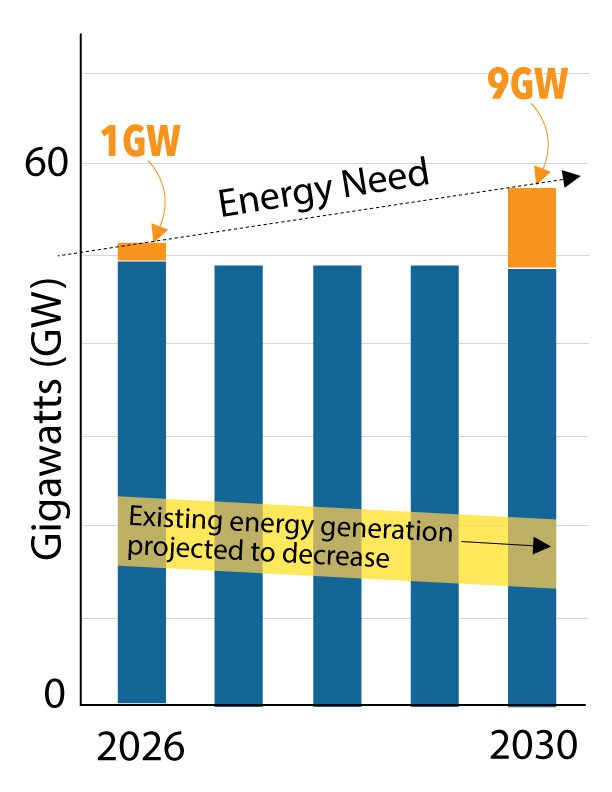
Hard fact: Firm energy production in our region is not keeping up with demand.
By Dan Toepper, Commissioner District 3
Dan’s Recommended Reading
- E3 Northwest Resource Adequacy & Energy Transition [study download]
- Seattle Times [editorial board] “WA isn’t building the clean energy transformation lawmakers demand”
- Bonneville Power Administration Markets+
- Markets+ Overview
[Article below featured in Jefferson PUD’s February 2026 Utility Newsletter]
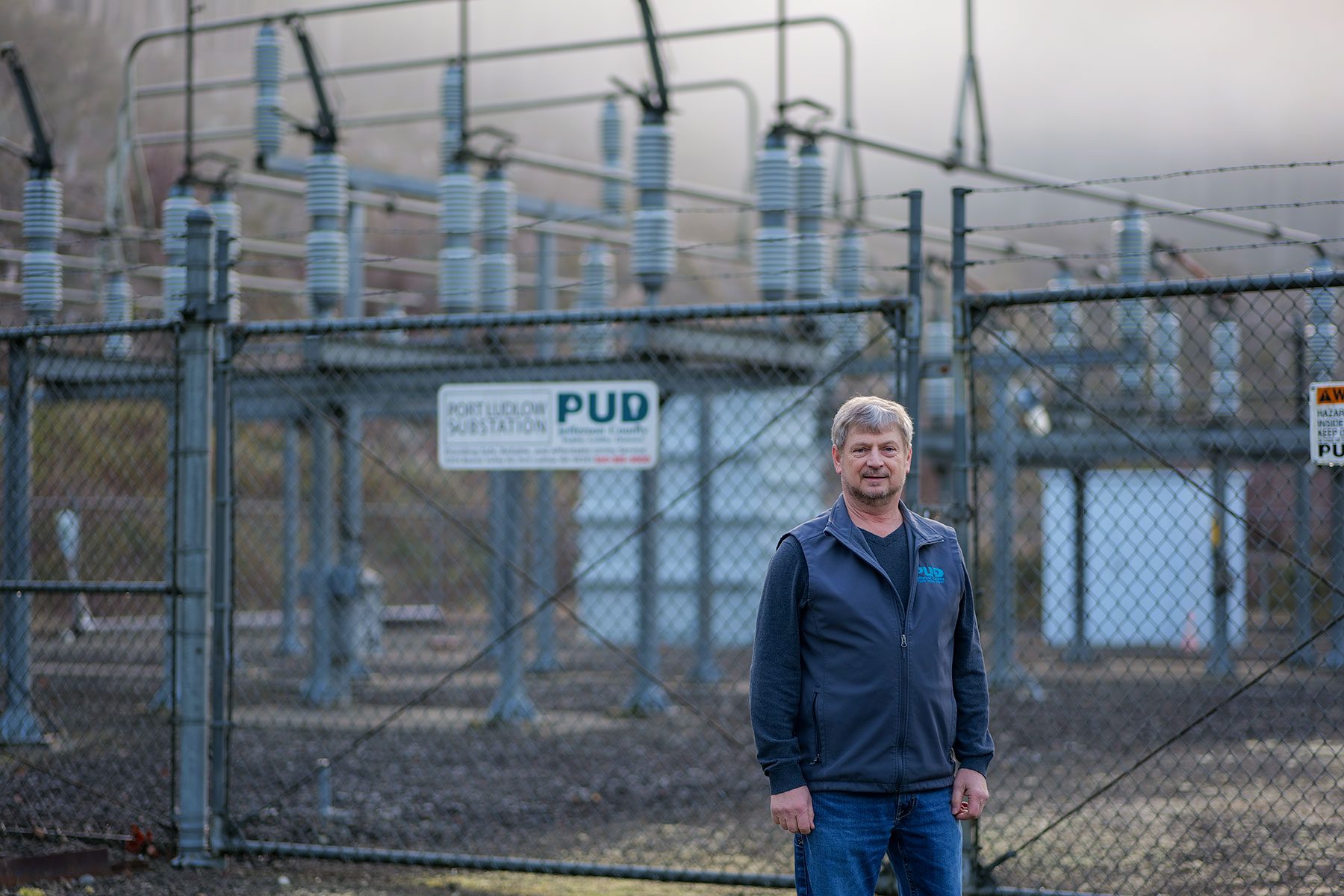
JPUD recently signed a long-term agreement with the Bonneville Power Administration (BPA) [jump to 1:00:00 in meeting for BPA discussions]. The wholesale contract provides us a reliable set amount of firm power under normal electric load conditions through 2044.
The amount of firm energy production in our region is not keeping up with the demands of consumption.
BPA hydropower generation (from the Columbia and Snake River), nuclear power from Energy Northwest, and intermittent generation from wind and solar resources have all been fully subscribed to utilities under BPA contracts.
Recent retirement of coal and natural gas generation, combined with transmission congestion and calls to reduce hydro production reduces the availability of firm power and threatens reliability.
With resources near capacity, any loss in firm generation could result in shortages, higher costs, and increased stress on the transmission system. This is especially true during periods of peak demand typically brought on by cold snaps. Intermittent power sources, such as solar and wind, are often not available during winter peak demand.
If we exceed our contract amount of purchased power from the BPA, we end up paying top dollar by the megawatt—but the energy must be there to buy it. If the energy is not there, we are likely to experience power brownouts or blackouts.
Energy costs will continue to rise as efforts to decarbonize sectors of our economy outpace the ability of generating new energy. It’s essential to embrace an “all the above” energy strategy to meet demand. This will include new nuclear, wind, solar, geothermal, kinetic, and other generating innovations that are needed to meet demand.
It’s important to note that energy conservation measures and intermittent generating and storage sources (solar, wind, and battery) cannot fill the widening gap between power demand and the pace of bringing on new generation sources. It is likely, if not imperative, that natural gas be utilized as a bridge to meet demand for a longer period of time than policy makers currently believe is necessary as alternative options come online.
BPA is participating in the development of a western energy market to strengthen transmission pathways between western states. This market may create upward pressure on rates in the near term but is necessary to help with the long-term cost stability and reliable delivery of energy.
As states and the federal government debate funding and energy policy, cooperation among governments, utilities, stakeholders, special interest groups, and the public has never been more critical. In early 2026, I’ll be heading to Washington D.C., with JPUD staff and WPUDA colleagues to discuss with lawmakers the real-world challenges utilities face now and in the future.
At home, we work to balance stable rates, reliable service, and challenging state policies such as CETA, all while meeting customer demand. While some factors shaping our energy future are beyond local control, efficiency and energy conservation remain powerful tools to help save energy, lower costs, and support long-term reliability.